
When it comes to replacing missing teeth, patients are often deciding between dental implants and dentures. Both options are designed to restore your smile, but they differ significantly in how they function, feel, and perform over time. Understanding these differences can help you choose the solution that aligns with your long-term goals and comfort.
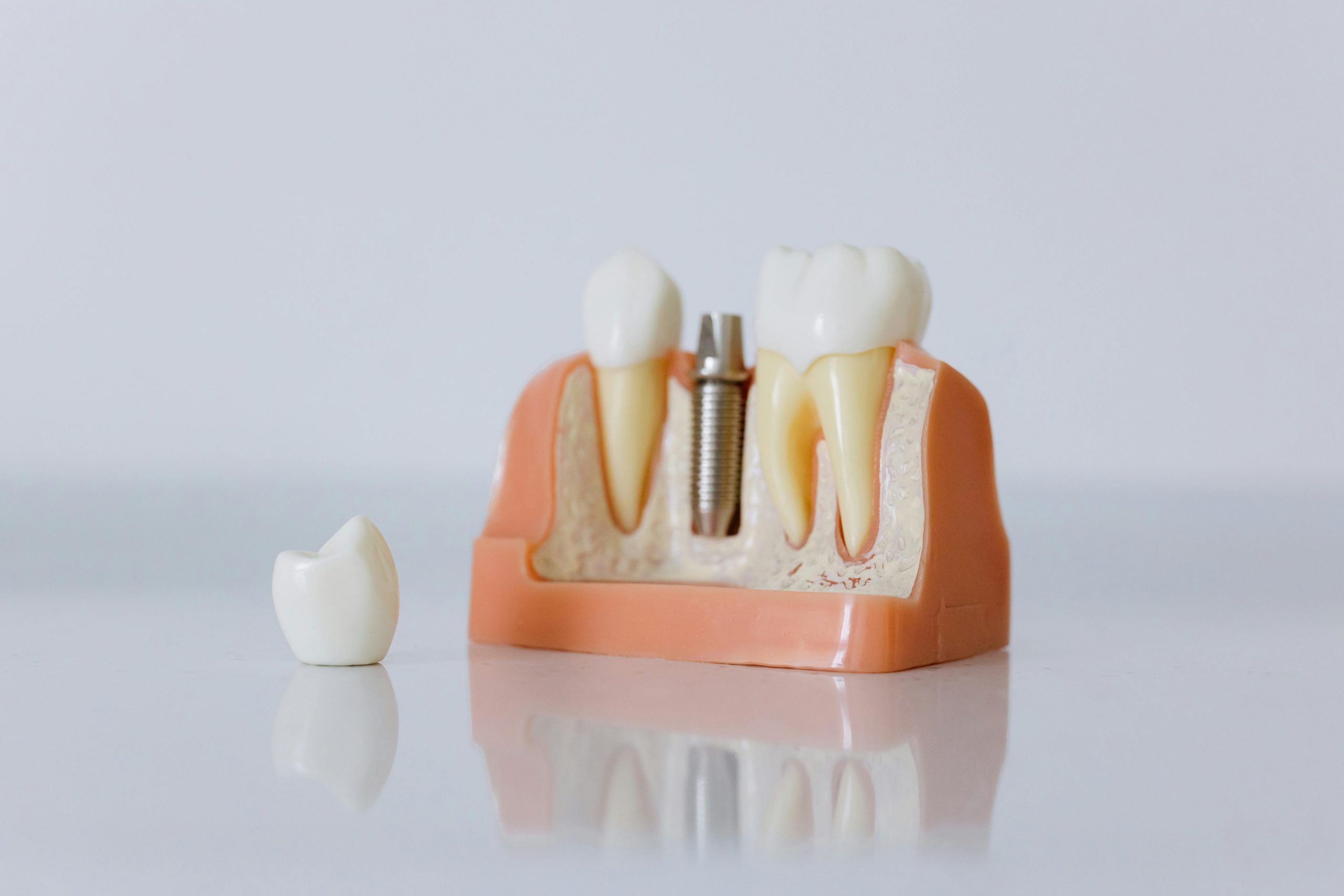
Dental implants and dentures replace teeth in very different ways. Implants are placed into the jawbone, acting as artificial roots that support fixed teeth. This creates a stable, permanent foundation that closely mimics natural teeth.
Dentures, on the other hand, are removable appliances that rest on the gums. They replace multiple teeth at once but do not integrate with the bone. Because of this, they rely on suction or adhesives to stay in place.
One of the most noticeable differences between implants and dentures is how stable they feel during daily activities.
Implants remain fixed in place, allowing patients to speak and eat without worrying about movement. This stability often makes them feel like natural teeth. Dentures can shift or loosen, especially while eating or talking, which may require adjustments throughout the day.
For many patients, this difference directly impacts confidence and comfort in social situations.
The ability to eat comfortably is a major factor when choosing between these options. Dental implants restore bite strength, making it easier to enjoy a wide range of foods without restriction.
Dentures may limit certain food choices, particularly harder or stickier items. Some patients also need time to adapt to chewing with dentures, which can feel less natural.
These differences can influence not only comfort but also long-term dietary habits.
Another key distinction lies in how each option affects the jawbone. Dental implants stimulate the bone just like natural tooth roots, helping to maintain bone density over time.
Dentures do not provide this stimulation. As a result, the jawbone may gradually shrink, which can lead to changes in facial appearance and the need for denture adjustments.
Preserving bone structure is an important consideration for patients looking for a long-term solution rather than a temporary replacement.
Implants and dentures also differ in how long they last and how they are maintained. Dental implants are designed to be durable and can last for many years with proper care.
Dentures typically require periodic replacement or relining as the shape of the gums and jaw changes. They also need to be removed daily for cleaning and maintenance.
At Winterholler Dentistry, implant solutions are planned with long-term performance in mind, reducing the need for ongoing adjustments.
The process of receiving implants is more advanced and involves detailed planning, imaging, and placement. This allows for a highly customized result tailored to each patient’s anatomy.
Dentures are generally quicker to produce but may not offer the same level of precision or personalization. While they can restore appearance, they do not replicate the full function of natural teeth.
With the expertise of Dr. Chris Winterholler, implant treatment is carefully designed to deliver both functional and aesthetic results that feel natural.
Choosing between implants and dentures depends on several factors, including your oral health, lifestyle, and long-term expectations. Some patients may prefer the simplicity of dentures, while others prioritize the stability and durability of implants.
A professional evaluation is the best way to determine which option fits your needs. In many cases, patients who initially consider dentures find that implants provide a more complete and lasting solution.
While both dental implants and dentures serve the purpose of replacing missing teeth, they offer very different experiences. Implants provide stability, long-term durability, and bone preservation, while dentures offer a removable and more traditional approach. At Winterholler Dentistry, patients receive personalized guidance to choose the option that best supports their comfort, function, and long-term oral health.

About the Author
Dr. Chris Winterholler
Dr. Chris approaches implant dentistry as the intersection of four disciplines: form, function, art, and science — with practicality, longevity, and economy as equal priorities. He thinks in three dimensions, visualizing the end result before the first instrument is placed and working backward to the most effective path forward.
May 17, 2026
Start Your Transformation