Sleep Apnea Treatment in Scottsdale & Payson, AZ

Your body has
been trying to
tell you something.

There are better alternatives to a CPAP.
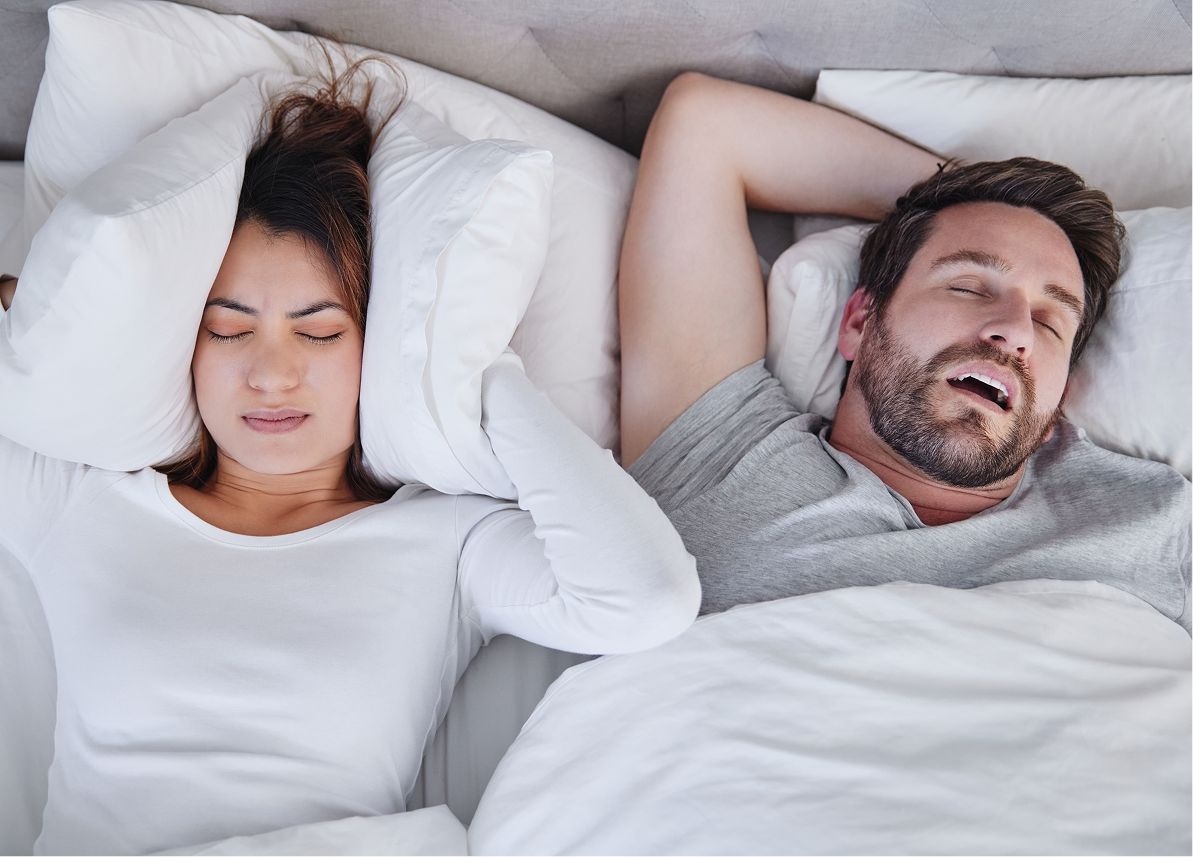
The snoring. The gasping. The exhaustion that no amount of sleep seems to fix. Sleep apnea is not just a nuisance — it is a serious health condition that affects your heart, your brain, your metabolism, and your quality of life. And you don’t have to live with a CPAP machine to treat it.

Common Signs of Sleep Apnea

Why it Matters

More than just
bad sleep.

Untreated sleep apnea is linked to serious and life-threatening health conditions. Every time breathing stops during sleep, the brain triggers a stress response — sending cortisol and adrenaline through your body. Over time, this takes a serious toll.

Heart disease & stroke
You are 73.3% more likely to suffer a stroke. Men with untreated OSA are over 2x more likely to have a stroke.
Type 2 diabetes
You are 48% more likely to be diagnosed with Type 2 Diabetes. Disrupted sleep directly impairs insulin control and blood sugar regulation.
Mood disturbance & cognitive decline
You are 90% more likely to experience depression, anxiety, and impaired memory. Chronic oxygen deprivation affects your brain every single night.
high blood pressure
You are 37% more likely to develop hypertension. OSA is the leading cause of secondary high blood pressure.
obesity
You are 77% more likely to struggle with obesity. Sleep deprivation increases cravings for high-calorie food and makes weight management significantly harder.
Cardiac arrhythmias & heart failure
You are 58% more likely to develop atrial fibrillation and 76% more likely to develop congestive heart failure.

Medical Cost

Untreated OSA costs Americans over $34 billion every year. Treating your sleep apnea can cut your personal healthcare costs by 50%.
Consequences of Untreated
Obstructive Sleep Apnea
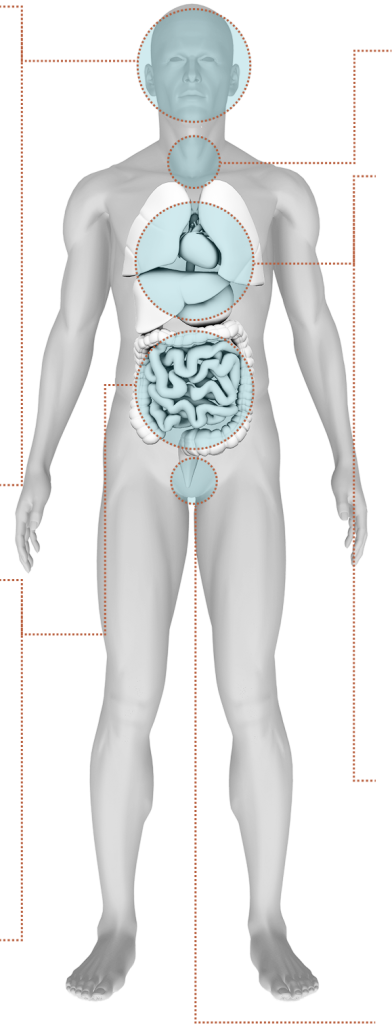
Obstructive sleep apnea affects 1 in every 5 Americans. What other problems arise for OSA patients?

Stroke - 73,3%

  • Men with moderate to severe OSA were over 2x more likely to have a stroke.
  • OSA is often found in patients following a stroke.
  • Risk of stroke rises with the severity of OSA.

Mood Disturbance - 58%

  • 90% with Depression
  • Anxiety
  • Lower motivation
  • Impaired concentration
  • Bad Temper
  • Poor Judgment
  • Insomnia

Daytime Sleepiness - 87%

  • 6x increased risk of car accidents.
  • Memory loss.
  • Reduced work-efficiency.
  • Reduced alertness.
  • Slower reaction time.

Diabetes Type II - 48%

  • Lack of insulin control.
  • Poorly controlled blood sugars.
  • Over 58% have OSA.
Obesity - 77%
  • Decreased quality of food.
  • Increase desire for high-calorie food.
  • Severity of OSA increases with body mass index (BMI).
  • 90% of males with BMI over 30 have OSA.
  • 50% of females with BMI over 30 have OSA.
Gastroesophageal Reflux Disease - 60%
Medical Costs
  • Untreated OSA costs Americans over $34 billion every year.
  • Treated sleep apnea can cut a person’s healthcare costs by 50%.

Loud Snoring - 80%

  • Relationship Stress.
  • Morning Headaches caused by oxygen deprivation.

Heart Stress

Hypertension - 37%

  • Sleep apnea is identifiable as a cause of high blood pressure.
  • OSA is the leading cause of secondary hypertension.

Cardiac Arrhythmias - 58%

  • 4x as likely to have atrial fibrillation.
Congestive Heart Failure - 76%
  • Moderate OSA has increased mortality rates.
  • Less than $1/3$ of patients did not have OSA.
Heart Disease - 38%
Sudden Death - 30%
  • OSA sufferers have a higher risk of heart attack.
  • Over 50% of sudden deaths from OSA occur between 10pm and 6am.
Sexual Dysfunction - 69%
  • Loss of libido.
  • Impotence.
Nocturia - 48%
  • Frequent urination at night.

Change in annual health care costs per patient after treating OSA: $200,000

The CPAP Alternative

No mask. No machine. Just sleep.

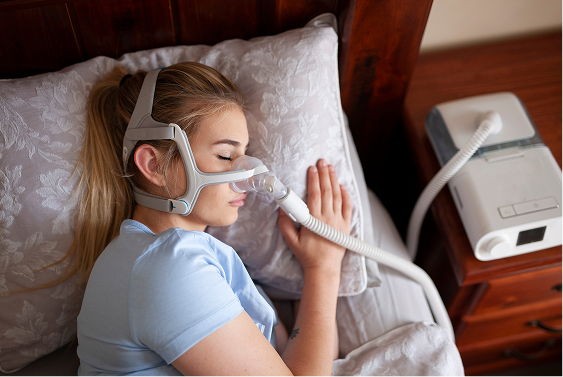
CPAP machines are effective — but for many patients they are loud, uncomfortable, and difficult to use consistently. Compliance rates are notoriously low. A treatment that isn’t being used isn’t treating anything.

Dr. Patrice provides custom oral appliances — small, comfortable devices worn in the mouth during sleep that gently reposition the jaw and tongue to keep the airway open. No straps, no hoses, no noise. Many patients describe it as a life-changing alternative.

Oral appliance benefits

Diagnosis

At-home sleep testing. No sleep lab required.

You don’t have to spend a night wired up in a hospital sleep lab to get diagnosed. We provide at-home sleep testing devices that monitor your breathing, oxygen levels, and sleep patterns from the comfort of your own bed.

Results are reviewed by a board-certified sleep physician, and we use those findings to design your treatment. The process is simple, comfortable, and far less intimidating than traditional sleep studies.

Special Patients Population

Who benefits most from oral appliance therapy.
Medicare patients
Medicare covered oral appliances.
For qualifying patients, oral appliance therapy for sleep apnea is a covered Medicare benefit. Our team handles the documentation and billing process so you can focus on getting better sleep.
Post-menopausal women
Hormonal changes & sleep apnea.
Hormonal changes cause jaw laxity — the jaw falls open during sleep, the airway narrows, and sleep quality collapses. A small, discreet lower appliance can restore restful sleep and eliminate the exhaustion that so many post-menopausal women accept as inevitable.
CPAP intolerant patients
Tried CPAP. Couldn't tolerate it.
CPAP compliance rates are low for good reason — the mask is uncomfortable, the machine is loud, and sleeping with it feels unnatural. If you’ve tried CPAP and given up, an oral appliance may be the solution you’ve been looking for.

The Grinding Connection

Grinding at night

is not a stress habit.

In most cases, nighttime clenching and grinding is a survival response — the body working to keep the airway open as it collapses during sleep. The muscles of the jaw are literally trying to protect you.
This is why treating grinding without addressing the airway rarely provides lasting relief. Dr. Patrice evaluates both together — and treats the root cause, not just the symptom.

“Grinding is not the problem. It is the body’s solution to a problem. Find the airway issue — and the grinding resolves.”

Patient Story

Robert K.
Sleep Apnea Treatment · Scottsdale
“I tried CPAP for six months and gave up. Dr. Patrice fitted me with an oral appliance and I slept through the night for the first time in years.”
Linda M.
Sleep Apnea · Payson

“My husband said I stopped snoring completely. I wake up with energy now. I didn’t realize how sick I actually was.”

You deserve real sleep.

Life is better when you

actually sleep.
Consultations are always complimentary. Tell us your history — the snoring, the fatigue, what you’ve tried. We’ll find what works for you.